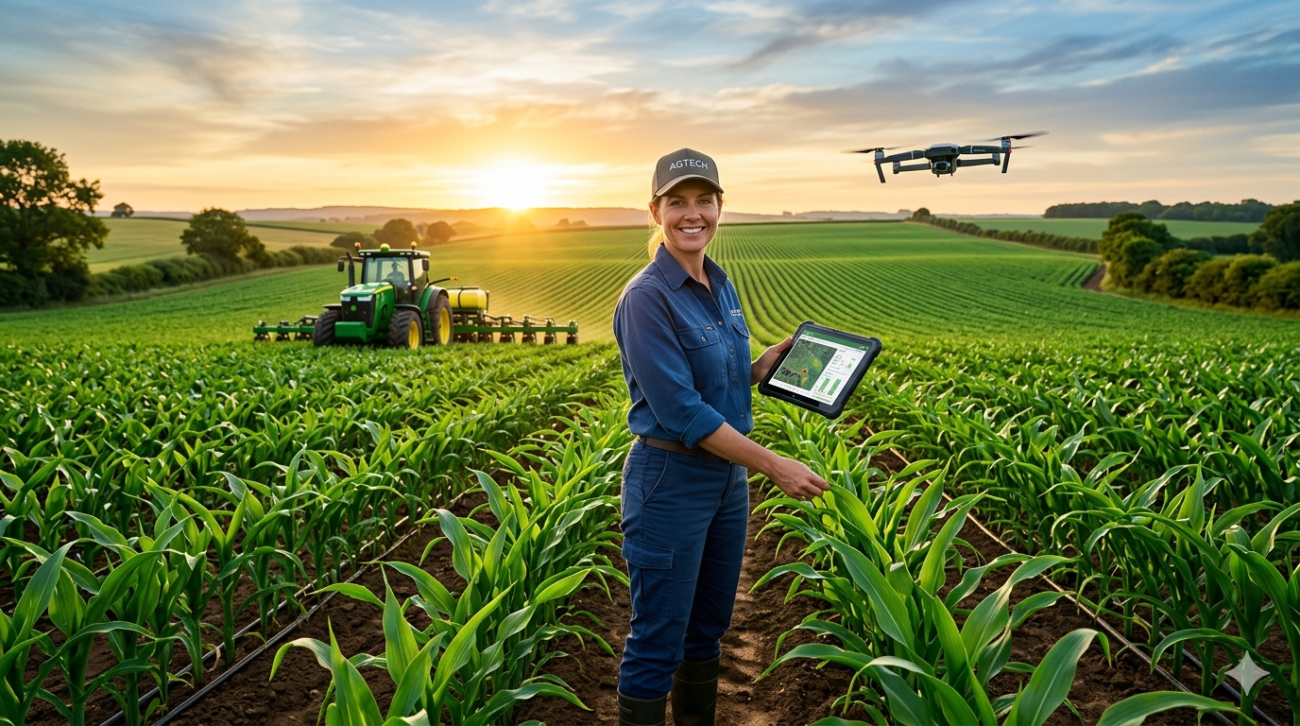
Agriculture is one of the most important industries in the world, providing food, raw materials, and livelihoods for billions of people. Success in farming requires more than hard work—it demands knowledge, planning, modern techniques, and continuous improvement. Whether you are a beginner or an experienced farmer, understanding the fundamentals of agriculture can help you increase productivity, reduce costs, and maximize profits.
This complete guide covers essential farming practices, crop management, soil health, irrigation, pest control, and strategies for long-term agricultural success.
Understanding Modern Agriculture
Modern agriculture combines traditional farming methods with advanced technologies to improve efficiency and sustainability. Farmers today have access to better seeds, precision farming tools, weather forecasting systems, and improved irrigation techniques that help achieve higher yields.
Benefits of Modern Farming
- Increased crop production
- Better resource management
- Reduced labor costs
- Improved crop quality
- Higher profitability
- Sustainable farming practices
Soil Management: The Foundation of Successful Farming
Healthy soil is the key to successful agriculture. Crops depend on soil for nutrients, water, and root support.
Tips for Maintaining Healthy Soil
1. Conduct Soil Testing
Regular soil testing helps determine nutrient levels and pH balance, allowing farmers to apply the right fertilizers.
2. Add Organic Matter
Using compost, farmyard manure, and crop residues improves soil structure and fertility.
3. Practice Crop Rotation
Rotating crops reduces nutrient depletion and minimizes pest and disease problems.
4. Prevent Soil Erosion
Plant cover crops and use conservation practices to protect topsoil from wind and water erosion.
Choosing the Right Crops
Selecting suitable crops is essential for maximizing yields and profits.
Factors to Consider
- Climate conditions
- Soil type
- Water availability
- Market demand
- Production costs
- Disease resistance
Farmers should choose crop varieties that are well-suited to local growing conditions and have strong market potential.
Importance of Quality Seeds
Seeds are the foundation of every successful harvest.
Benefits of High-Quality Seeds
- Better germination rates
- Stronger plant growth
- Increased disease resistance
- Higher yields
- Improved crop quality
Always purchase certified seeds from reliable sources.
Efficient Irrigation Practices
Water is a critical resource for agriculture. Efficient irrigation improves crop growth while conserving water.
Best Irrigation Methods
Drip Irrigation
Delivers water directly to plant roots, reducing waste and increasing efficiency.
Sprinkler Irrigation
Provides uniform water distribution across fields.
Rainwater Harvesting
Collecting and storing rainwater can help farmers manage water shortages during dry seasons.
Water Management Tips
- Irrigate during cooler hours.
- Monitor soil moisture regularly.
- Avoid overwatering.
- Repair leaks in irrigation systems promptly.
Fertilizer Management
Proper fertilizer use ensures crops receive essential nutrients.
Essential Nutrients for Crops
- Nitrogen (N)
- Phosphorus (P)
- Potassium (K)
Fertilizer Best Practices
- Apply fertilizers based on soil test results.
- Use balanced nutrient programs.
- Split fertilizer applications when necessary.
- Combine organic and inorganic fertilizers for better results.
Pest and Disease Management
Pests and diseases can significantly reduce crop yields if not controlled effectively.
Integrated Pest Management (IPM)
IPM combines multiple strategies to minimize pest damage while reducing reliance on chemical pesticides.
IPM Techniques
- Crop rotation
- Biological control
- Field monitoring
- Resistant crop varieties
- Targeted pesticide applications
Disease Prevention
- Use certified seeds.
- Maintain field sanitation.
- Remove infected plants promptly.
- Ensure proper crop spacing for airflow.
Weed Control Strategies
Weeds compete with crops for nutrients, water, and sunlight.
Effective Weed Management
- Timely cultivation
- Mulching
- Crop rotation
- Herbicide use when necessary
- Maintaining healthy crop stands
Early weed control often provides the greatest benefits.
Farm Machinery and Technology
Modern machinery helps farmers improve efficiency and reduce labor requirements.
Common Agricultural Equipment
- Tractors
- Seed drills
- Sprayers
- Harvesters
- Cultivators
Emerging Technologies
- Agricultural drones
- GPS-guided machinery
- Precision farming systems
- Smart irrigation controls
- Farm management software
Technology helps farmers make informed decisions and improve productivity.
Livestock Management
For mixed farming operations, livestock can provide additional income and improve farm sustainability.
Livestock Success Tips
- Provide balanced nutrition.
- Ensure access to clean water.
- Follow vaccination schedules.
- Maintain clean housing facilities.
- Monitor animal health regularly.
Healthy animals contribute to better productivity and profitability.
Sustainable Farming Practices
Sustainability ensures long-term agricultural success while protecting natural resources.
Sustainable Farming Methods
- Conservation tillage
- Organic matter incorporation
- Water conservation
- Crop diversification
- Agroforestry
- Renewable energy adoption
Sustainable practices improve resilience and environmental health.
Marketing Agricultural Products
Producing crops is only part of the farming business. Effective marketing is essential for profitability.
Marketing Strategies
- Monitor market prices regularly.
- Build relationships with buyers.
- Explore direct-to-consumer sales.
- Use digital platforms for promotion.
- Add value through processing and packaging.
Successful marketing can significantly increase farm income.
Financial Management for Farmers
Good financial planning helps farmers manage risks and achieve long-term growth.
Financial Success Tips
- Keep accurate records.
- Track production costs.
- Create annual budgets.
- Maintain emergency funds.
- Invest in productivity-enhancing technologies.
Understanding farm finances helps improve decision-making and profitability.
Challenges Facing Modern Farmers
Farmers today face several challenges, including:
- Climate change
- Water shortages
- Rising input costs
- Market fluctuations
- Pest and disease outbreaks
- Labor shortages
Successful farmers adapt quickly and continuously seek new knowledge and solutions.
The Future of Agriculture
The future of agriculture will be driven by innovation, sustainability, and technology. Precision agriculture, artificial intelligence, automation, and climate-smart farming practices will continue transforming the industry.
Farmers who embrace innovation and invest in learning will be better prepared to meet future challenges and opportunities.
Conclusion
Agricultural success requires a combination of knowledge, planning, hard work, and adaptability. By focusing on soil health, quality seeds, efficient irrigation, proper pest management, sustainable practices, and smart marketing strategies, farmers can improve productivity and build profitable farming businesses.
Farming is not just about growing crops—it is about managing resources wisely, embracing innovation, and continuously improving. With the right approach, every farmer can achieve long-term success and contribute to a stronger agricultural future.
Kisan Agri Point remains dedicated to providing farmers with practical guidance, expert insights, and valuable agricultural information to support their journey toward success. 🌱🚜🌾
