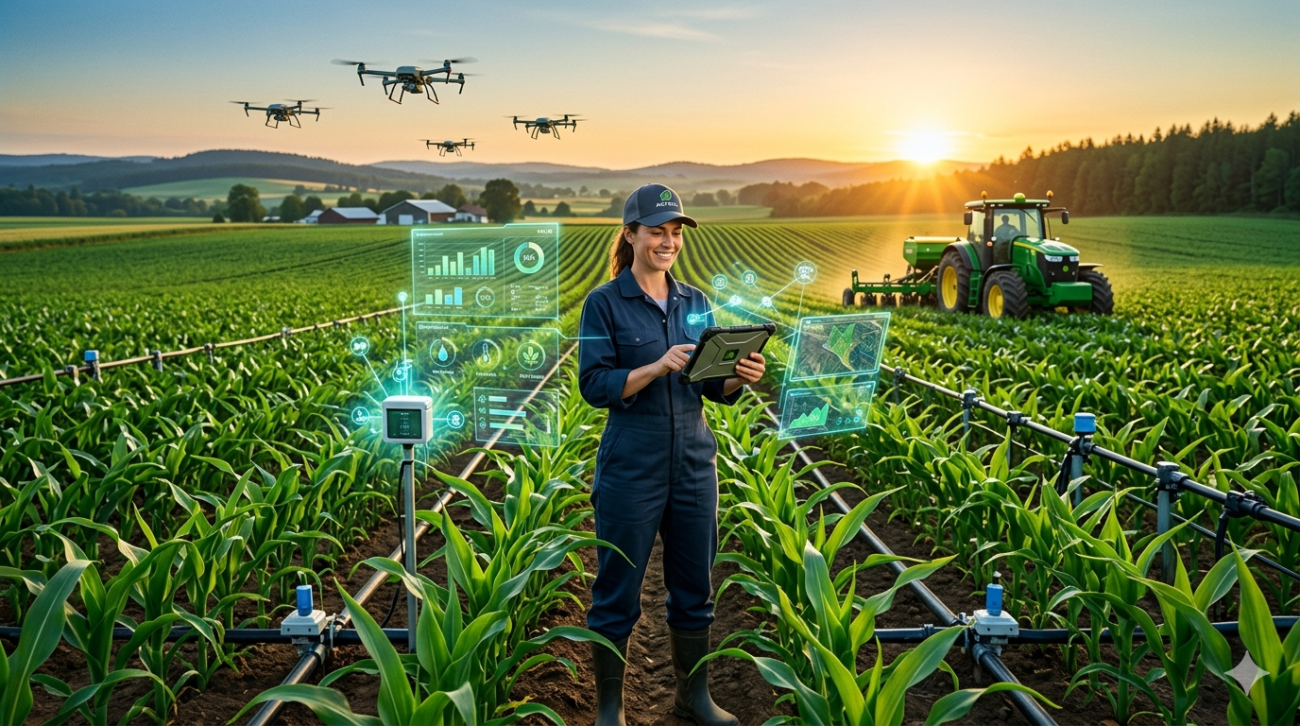
Agriculture is rapidly evolving with the adoption of modern technologies, innovative farming techniques, and data-driven decision-making. Smart farming is transforming traditional agriculture by helping farmers increase productivity, reduce costs, and improve sustainability. At the same time, proper crop care and staying informed about agri-business trends are essential for achieving long-term success in the agricultural sector.
This guide explores the latest developments in smart farming, effective crop management practices, and important agri-business updates that every farmer should know.
What Is Smart Farming?
Smart farming refers to the use of modern technology and digital tools to improve agricultural productivity and efficiency. Farmers can now monitor crops, soil conditions, weather patterns, and machinery performance using advanced systems and real-time data.
Key Benefits of Smart Farming
- Higher crop yields
- Reduced production costs
- Better resource management
- Improved water efficiency
- Enhanced pest and disease monitoring
- Increased profitability
By using technology wisely, farmers can make more informed decisions and reduce risks.
Modern Technologies Transforming Agriculture
1. Agricultural Drones
Drones help farmers monitor crop health, detect disease outbreaks, assess irrigation needs, and survey large fields quickly and accurately.
2. GPS and Precision Farming
Precision agriculture uses GPS technology and field mapping to optimize planting, fertilization, and irrigation practices.
3. Smart Irrigation Systems
Automated irrigation systems deliver water precisely when and where it is needed, reducing water waste and improving crop growth.
4. Soil Monitoring Sensors
Modern sensors provide real-time information about soil moisture, nutrient levels, and temperature, helping farmers make better management decisions.
5. Farm Management Software
Digital farm management platforms allow farmers to track expenses, monitor production, manage inventory, and analyze farm performance.
Crop Care: The Key to Healthy Harvests
Proper crop care is essential for maximizing productivity and maintaining crop quality throughout the growing season.
Soil Health Management
Healthy soil supports strong root development and nutrient uptake.
Best Practices:
- Conduct regular soil testing
- Apply organic matter such as compost
- Use balanced fertilizers
- Practice crop rotation
- Prevent soil erosion
Maintaining soil fertility ensures consistent yields and long-term sustainability.
Effective Irrigation Management
Water management plays a crucial role in crop production.
Irrigation Tips
- Monitor soil moisture regularly
- Avoid overwatering
- Use drip irrigation when possible
- Irrigate during cooler parts of the day
- Repair leaks promptly
Efficient irrigation reduces costs while improving plant health.
Pest and Disease Management
Protecting crops from pests and diseases is critical for preventing yield losses.
Integrated Pest Management (IPM)
IPM combines biological, cultural, and chemical control methods to manage pests effectively while minimizing environmental impact.
Crop Protection Strategies
- Monitor fields regularly
- Use disease-resistant varieties
- Remove infected plants quickly
- Maintain field sanitation
- Apply pesticides responsibly
Early detection often prevents serious crop damage.
Weed Management
Weeds compete with crops for nutrients, sunlight, and water.
Effective Weed Control Methods
- Timely cultivation
- Mulching
- Crop rotation
- Mechanical weed removal
- Proper herbicide application
Good weed management improves overall crop performance.
Climate-Smart Agriculture
Climate change continues to impact farming worldwide. Climate-smart agriculture helps farmers adapt to changing environmental conditions.
Climate-Smart Practices
- Water conservation
- Drought-resistant crop varieties
- Efficient fertilizer use
- Agroforestry systems
- Conservation tillage
These practices improve resilience and reduce environmental impact.
Agri-Business Opportunities for Farmers
Modern farming is not only about crop production—it is also about building profitable agricultural businesses.
Popular Agri-Business Opportunities
Value-Added Products
Processing agricultural products can significantly increase profits.
Examples include:
- Fruit processing
- Dairy products
- Packaged vegetables
- Organic food products
Livestock Farming
Livestock production provides additional income streams and improves farm diversification.
Contract Farming
Working directly with companies through contract farming can provide stable markets and predictable income.
Agritourism
Some farmers generate additional revenue by offering farm tours, educational programs, and agricultural experiences.
Importance of Market Information
Successful farmers stay informed about market conditions and price trends.
Why Market Updates Matter
- Better selling decisions
- Increased profitability
- Improved planning
- Reduced market risks
- Stronger negotiation power
Monitoring market demand helps farmers identify profitable opportunities.
Agricultural Business Management Tips
Keep Accurate Records
Maintain records of:
- Production costs
- Crop yields
- Input purchases
- Equipment maintenance
- Sales and profits
Develop a Business Plan
A well-structured business plan helps farmers set goals and manage growth effectively.
Invest in Technology
Technology investments often lead to improved efficiency and higher returns over time.
Manage Risks
Consider crop insurance, diversification, and emergency planning to reduce financial risks.
Future Trends in Agriculture
The agricultural industry is expected to become increasingly technology-driven.
Emerging Trends
- Artificial Intelligence (AI)
- Agricultural robotics
- Automated machinery
- Vertical farming
- Precision nutrient management
- Blockchain for food traceability
Farmers who embrace innovation will be better positioned for future success.
Conclusion
Smart farming, proper crop care, and strong agri-business management are essential components of modern agricultural success. By adopting advanced technologies, protecting crop health, managing resources efficiently, and staying informed about market developments, farmers can increase productivity and profitability while building sustainable farming operations.
The future of agriculture belongs to farmers who are willing to learn, adapt, and innovate. With the right knowledge and tools, every farmer can achieve greater success in today’s competitive agricultural environment.
Kisan Agri Point is dedicated to providing practical farming knowledge, crop management solutions, and the latest agri-business updates to help farmers grow stronger, smarter, and more profitable agricultural enterprises. 🌱🚜📈
