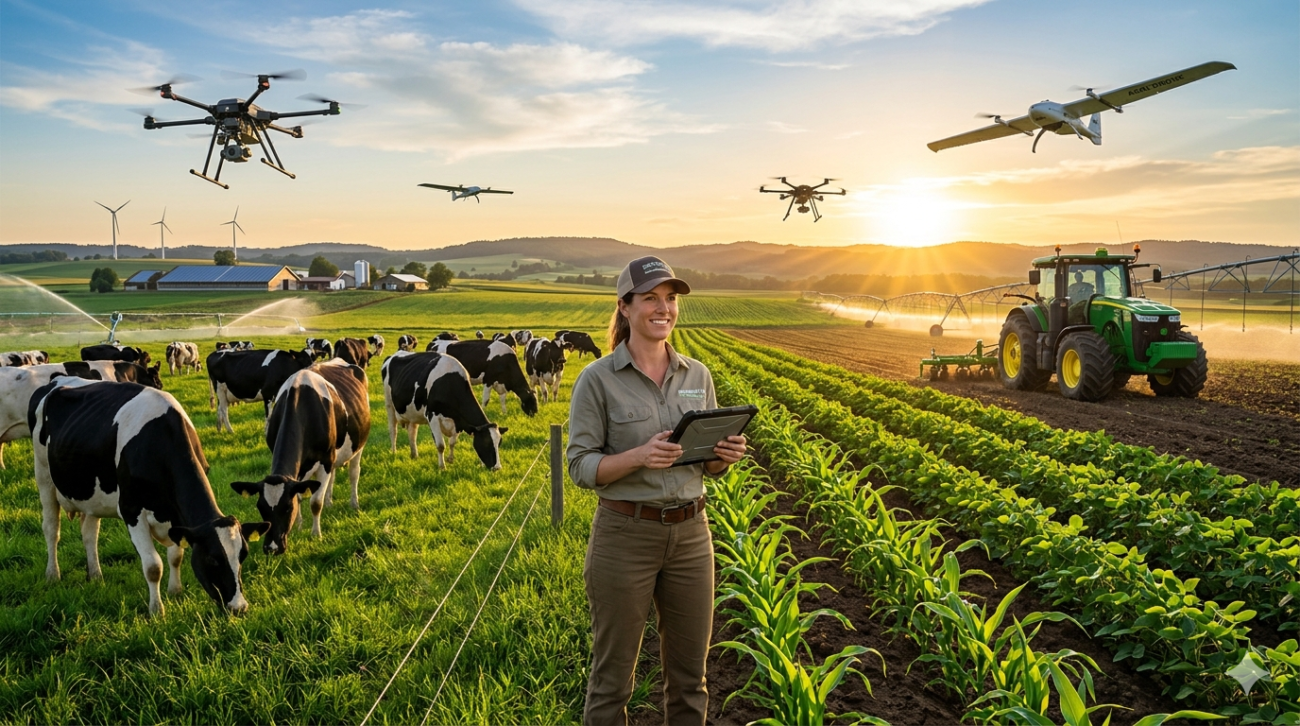
Agriculture is constantly evolving as farmers adopt new technologies, improve livestock management practices, and embrace innovative farming solutions. Modern agriculture is no longer limited to traditional cultivation methods. Today, successful farmers combine innovation, knowledge, and sustainable practices to maximize productivity and profitability.
This comprehensive guide explores the latest farming innovations, effective livestock care strategies, and valuable agricultural insights that can help farmers build stronger and more successful agricultural businesses.
The Importance of Agricultural Innovation
Innovation is transforming agriculture across the world. From precision farming and automated machinery to smart irrigation and digital farm management systems, technology is helping farmers produce more while using fewer resources.
Benefits of Farming Innovations
- Increased crop yields
- Better resource efficiency
- Reduced labor costs
- Improved sustainability
- Higher farm profitability
- Enhanced decision-making
Farmers who adopt modern technologies often gain a competitive advantage and achieve better long-term results.
Modern Farming Innovations
1. Precision Agriculture
Precision agriculture uses GPS technology, sensors, and data analytics to optimize farming operations.
Key Advantages:
- Accurate fertilizer application
- Efficient water usage
- Better crop monitoring
- Reduced waste
- Improved productivity
Farmers can make informed decisions based on real-time field data.
2. Agricultural Drones
Drones have become valuable tools for modern farmers.
Uses of Drones:
- Crop monitoring
- Field mapping
- Pest detection
- Irrigation assessment
- Yield estimation
Drones help identify problems early and reduce management costs.
3. Smart Irrigation Systems
Efficient water management is critical for successful farming.
Benefits:
- Conserves water
- Reduces irrigation costs
- Improves crop health
- Prevents overwatering
Smart irrigation systems automatically adjust water application based on crop needs and weather conditions.
4. Farm Automation
Modern machinery and automated systems help farmers improve efficiency and reduce labor requirements.
Examples include:
- Automated tractors
- Robotic harvesters
- Smart feeding systems
- Automated milking machines
Automation allows farmers to focus on strategic decision-making rather than repetitive tasks.
Livestock Care and Management
Healthy livestock contribute significantly to farm income and sustainability. Proper animal care improves productivity, reproduction, and overall farm performance.
Essential Livestock Care Practices
Proper Nutrition
Balanced nutrition is crucial for animal health.
Important Nutrients:
- Protein
- Energy
- Vitamins
- Minerals
- Clean water
Providing quality feed ensures optimal growth and production.
Clean Water Supply
Animals require constant access to fresh, clean water.
Benefits:
- Improved digestion
- Better milk production
- Enhanced growth rates
- Reduced disease risks
Water quality should be monitored regularly.
Housing and Shelter
Comfortable housing protects livestock from extreme weather conditions and diseases.
Good Housing Should Provide:
- Adequate ventilation
- Clean bedding
- Proper drainage
- Sufficient space
- Protection from heat and cold
Well-maintained shelters improve animal welfare and productivity.
Vaccination and Disease Prevention
Preventive healthcare is one of the most important aspects of livestock management.
Disease Prevention Measures:
- Follow vaccination schedules
- Conduct regular health checks
- Isolate sick animals
- Maintain hygiene standards
- Consult veterinarians when needed
Prevention is often more cost-effective than treatment.
Dairy Farming Success Tips
Dairy farming remains one of the most profitable agricultural enterprises worldwide.
Best Practices
Maintain Herd Health
Healthy cows produce higher-quality milk and maintain consistent production levels.
Improve Feeding Programs
Balanced nutrition directly impacts milk yield and animal performance.
Record Keeping
Track milk production, breeding, feed consumption, and health records for better management decisions.
Hygiene Management
Clean milking equipment and facilities help prevent disease and improve milk quality.
Poultry Farming Insights
Poultry farming offers excellent opportunities for income generation.
Key Success Factors
- High-quality chicks
- Proper nutrition
- Disease prevention
- Ventilation management
- Biosecurity measures
Maintaining optimal environmental conditions is essential for poultry productivity.
Sustainable Agriculture Practices
Sustainability is becoming increasingly important in modern farming.
Sustainable Farming Methods
Crop Rotation
Improves soil fertility and reduces pest pressure.
Organic Fertilizers
Enhance soil health and reduce dependence on synthetic inputs.
Water Conservation
Efficient irrigation systems help preserve valuable water resources.
Renewable Energy
Solar-powered systems can reduce operational costs and environmental impact.
Sustainable practices support long-term agricultural success.
Agricultural Market Trends
Understanding market trends helps farmers make profitable business decisions.
Important Market Factors
- Commodity prices
- Consumer demand
- Export opportunities
- Input costs
- Government policies
Regular market analysis enables farmers to identify opportunities and reduce financial risks.
Digital Agriculture and Data Management
Technology is helping farmers collect and analyze valuable information.
Digital Tools Include:
- Farm management software
- Mobile agriculture applications
- Weather forecasting systems
- Livestock monitoring technologies
- Market information platforms
Data-driven farming improves efficiency and profitability.
Future of Agriculture
Agriculture is entering a new era driven by innovation and technology.
Emerging Trends
- Artificial Intelligence (AI)
- Agricultural robotics
- Precision livestock farming
- Smart greenhouses
- Vertical farming
- Internet of Things (IoT)
These technologies will continue transforming agricultural production in the coming years.
Building a Successful Agricultural Business
Successful farmers combine production skills with strong business management.
Business Success Tips
Set Clear Goals
Develop short-term and long-term objectives.
Monitor Costs
Track expenses carefully to maximize profitability.
Diversify Income Sources
Consider combining crop production, livestock farming, and value-added products.
Invest in Education
Continuous learning helps farmers adapt to industry changes.
Build Strong Networks
Collaborate with agricultural experts, suppliers, and fellow farmers.
Conclusion
Modern agriculture offers tremendous opportunities for growth and profitability. By embracing farming innovations, implementing proper livestock care practices, and staying informed about agricultural developments, farmers can improve productivity and create sustainable farming businesses.
Innovation, knowledge, and effective management are the foundations of agricultural success. Farmers who continuously learn and adopt new technologies will be better prepared to meet future challenges and capitalize on emerging opportunities.
Kisan Agri Point is committed to providing reliable agricultural knowledge, practical farming solutions, livestock care guidance, and the latest industry insights to support farmers on their journey toward greater success and sustainability.
